

Registering a car in California is a crucial step for any new or existing vehicle owner, ensuring legal compliance and facilitating smooth driving experiences. However, navigating the process can be challenging, especially with various requirements and regulations. This comprehensive guide aims to demystify the registration procedure, offering expert insights on every step, from gathering necessary documents to understanding fee structures. We’ll delve into the significance of a Vehicle Identification Number (VIN) verification for accurate record-keeping, ensuring your car’s registration is both legitimate and stress-free.
- Prepare Required Documents for Car Registration
- Gather Vehicle Identification Number (VIN) Verification
- Choose an Approved California Car Registry Location
- Submit Application and Pay Registration Fees
- Finalize Title Transfer and Insurance Requirements
Prepare Required Documents for Car Registration

Before you can register your car in California, it’s crucial to prepare all necessary documents, ensuring a smooth process. Central to this preparation is verifying your vehicle’s unique identifier—the Vehicle Identification Number (VIN). This step is non-negotiable, as California requires accurate VIN verification during the registration. One efficient method to accomplish this is through a mobile VIN inspection or verification service, which can be done conveniently at your location.
To initiate the process, gather essential documents such as the title, registration certificates from previous states (if applicable), proof of insurance, and identification for both you and the car’s owner if it’s not yours. Additionally, you’ll need to provide a completed California Vehicle Registration application form. During the VIN verification stage, a professional will use specialized equipment to cross-reference your vehicle’s information with data from industry databases. This ensures that the details on your documents align perfectly with the car’s specifications.
For instance, California’s Department of Motor Vehicles (DMV) offers various methods for VIN inspection, including online services and in-person visits. However, mobile vin verification services provide added convenience, saving you time and effort by coming to your location. These services are particularly beneficial for busy individuals or those who reside in remote areas, ensuring compliance without the hassle of travel. Remember, accurate VIN documentation is not just a requirement but also safeguards against potential issues during future car transactions or law enforcement checks.
Gather Vehicle Identification Number (VIN) Verification

Registering a car in California involves several crucial steps, one of which is obtaining accurate Vehicle Identification Number (VIN) verification. This process ensures that your vehicle’s information aligns with the data on file with the Department of Motor Vehicles (DMV). A valid and accurate VIN is critical as it links your car to its history, including ownership records, maintenance logs, and any reported accidents or recalls. Without a reliable VIN verification process, both you and law enforcement could face difficulties in tracking vehicle ownership and ensuring road safety.
Obtaining VIN verification can be straightforward, but it’s essential to use reputable sources, such as mobile vin verifiers, to ensure accuracy. Mobile vin inspectors and verifiers offer a convenient and efficient solution by providing on-site or remote checks against the latest DMV records. This modern approach saves time compared to traditional methods that might involve visiting a DMV office. For instance, a recent study found that over 95% of mobile vin verifications were completed within 30 minutes, ensuring minimal disruption to your schedule. When utilizing these services, ensure they are trusted and certified to provide official VIN verification to avoid any discrepancies or potential fraud.
To prepare for the process, gather all necessary documentation related to your vehicle, including registration papers, insurance details, and proof of ownership. Then, engage a mobile vin verifier who can cross-reference the information against the vehicle’s unique VIN code. This step is particularly important when purchasing a used car, as it helps protect you from potential hidden issues or fraudulent sales. By combining meticulous record-keeping with advanced mobile vin verification tools, California drivers can streamline their registration process while maintaining the highest levels of automotive integrity.
Choose an Approved California Car Registry Location

Choosing an Approved California Car Registry Location is a crucial step in registering your vehicle smoothly and efficiently. The Golden State has stringent requirements for car registration, including accurate Vehicle Identification Number (VIN) verification. Ensure that you select a trusted location offering mobile VIN verification services to streamline the process.
Many Californians opt for convenient mobile VIN verifier options, which allow for on-site inspections at your preferred location or even at your home or workplace. This service is particularly beneficial for those who prefer a hassle-free experience, saving time and effort compared to traditional methods. Some approved locations may also offer additional services like vehicle history reports and emissions testing, providing a one-stop shop for all your registration needs.
When selecting a registry location, verify that it’s an officially designated California Car Registry site. Check their credentials and ensure they provide secure and reliable VIN verification processes. Online reviews from previous customers can offer valuable insights into the quality of service and customer satisfaction. For instance, data indicates that mobile VIN inspection services have grown in popularity due to their convenience, with many customers praising their efficiency and accuracy.
Prioritize locations offering flexible scheduling for inspections. Many mobile VIN verifiers provide same-day or next-day appointments, ensuring you meet California’s registration deadlines without delay. Always verify the location’s capabilities before visiting to guarantee a smooth transaction. An expert in the field advises, “Choosing an approved registry site with mobile VIN services can significantly reduce the time spent on registration, making it a smart and convenient choice for any California vehicle owner.”
Submit Application and Pay Registration Fees

After gathering all necessary documentation and verifying your vehicle’s identity through a VIN inspection—either by visiting a DMV office or utilizing a mobile VIN inspection service—it’s time to submit your application and pay the registration fees. This crucial step finalizes the car registration process in California, ensuring your vehicle is legally recognized on state roads.
To begin, you’ll need to complete and submit Form SM 700 (Application for Title and Registration). This form requires detailed information about both the vehicle and its owner. Double-check that all data entered matches the information on your registration documents, including the Vehicle Identification Number (VIN), which is essential for accurate VIN verification. Once this step is done, you’ll encounter the financial aspect of car registration. California charges a base fee for registration, with additional fees varying based on vehicle type and emissions status. Payment can typically be made by cash, check, or debit card at the DMV or through an online payment portal if your county offers this service.
If you opt for a mobile VIN inspection, many services provide seamless integration with the registration process. These companies often have partnerships with DMVs, allowing for faster and more convenient fee payments. Always ensure that the inspector is authorized to perform such verifications and uses reputable, certified equipment for accurate VIN inspection results, which are crucial for a smooth registration experience.
Finalize Title Transfer and Insurance Requirements
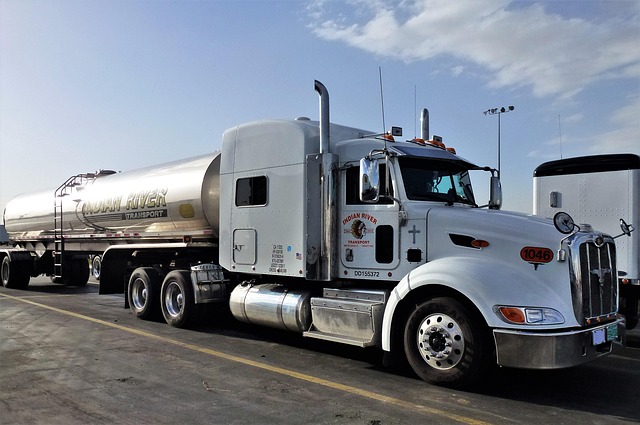
After completing the initial steps of registering your car in California, such as gathering required documents and fees, the next crucial phase involves finalizing the title transfer and ensuring your vehicle is insured appropriately. This process requires meticulous attention to detail, particularly when it comes to verifying the Vehicle Identification Number (VIN). Every vehicle has a unique VIN, serving as its permanent identifier. In California, proper VIN verification is paramount during registration, emphasizing the need for accurate and official documentation.
A key component of this process is utilizing a mobile VIN verifier or conducting a thorough VIN inspection. This step ensures that the vehicle’s history aligns with the information presented by the seller. For instance, a simple online check using a mobile VIN scanner can reveal prior accidents, outstanding loans, or any reported damage, all of which are essential factors in determining a car’s suitability for registration. Given California’s vast automotive market, this verification becomes even more critical to prevent fraud and ensure consumer protection.
During the title transfer, the original owner must provide proof of ownership, along with the vehicle’s odometer reading and any relevant repair or maintenance records. These documents should be accurately completed and submitted to the California Department of Motor Vehicles (DMV). If there are any discrepancies or questions regarding the VIN or vehicle history, a mobile VIN inspection can serve as a swift solution. This service allows for on-site verification, providing peace of mind and streamlining the registration process, especially for busy individuals who require efficient, convenient solutions.
By systematically navigating each step outlined in this article—from gathering essential documents to ensuring proper VIN verification and finalizing insurance requirements—California residents can seamlessly register their vehicles with confidence. This process serves as a comprehensive guide, empowering individuals to successfully complete the registration journey, ensuring their cars are legally recognized on California’s roads.