

Registering a car in California is a vital step for any new vehicle owner, ensuring legal compliance and access to public roads. However, navigating the process can be challenging, with various requirements and paperwork involved. This comprehensive guide aims to demystify the journey, offering expert insights on every step, from gathering essential documents to undergoing the crucial DMV VIN verification process. By following these detailed instructions, you’ll gain confidence in registering your vehicle smoothly and efficiently.
- Prepare Necessary Documents for Car Registration
- Visit Your Local California DMV Office or Website
- Complete Application Form with Accurate Information
- Provide Proof of Insurance and Vehicle Ownership
- Undergo DMV VIN Verification for Accurate Record-Keeping
Prepare Necessary Documents for Car Registration

Registering a car in California involves several crucial steps, and one of the most critical is preparing the necessary documents for car registration. This process ensures that your vehicle complies with state regulations and facilitates a smooth ownership transition. Among these documents, accurate and up-to-date information on your car’s Vehicle Identification Number (VIN) is paramount. The California Department of Motor Vehicles (DMV) mandates VIN verification as a critical step in the registration process, ensuring that each vehicle is unique and genuine.
Obtaining the required documents for car registration entails more than just gathering papers; it requires careful attention to detail and accuracy. Begin by collecting your vehicle’s title, which establishes ownership. Additionally, you’ll need a current registration certificate from your previous state of residence (if applicable), proof of insurance, and a valid driver’s license or identification card. The DMV also requires a completed Vehicle Registration Application form, which can be obtained online or at any California DMV field office. A key component of this process is the mobile VIN verification service. Many third-party providers offer mobile vin inspection and verifier tools that allow you to confirm your car’s VIN status remotely, saving time and effort. These services utilize advanced technology to cross-reference your vehicle’s information with specialized databases, ensuring accuracy in just a few minutes.
Once all documents are prepared, the next step is to schedule an appointment at your nearest California DMV office. During your visit, you’ll need to present these documents for verification. The DMV will inspect your car’s VIN using various methods, including mobile vin verification services, to ensure it matches the information on record. This process is designed to combat vehicle identity fraud and protect both buyers and sellers. Properly preparing your paperwork and being ready to demonstrate the authenticity of your car’s VIN can significantly expedite the registration process and prevent potential delays or complications.
Visit Your Local California DMV Office or Website

To register your car in California, you’ll need to visit your local California DMV office or access their official website. This process is a crucial step in ensuring your vehicle complies with state regulations and can be efficiently managed through these established channels. The DMV offers both in-person services and online options for convenience. When it comes to registration, one of the critical initial steps is typically a Vehicle Identification Number (VIN) verification. This involves checking the accuracy of the VIN on the vehicle against the records held by the DMV. Many California DMV offices provide mobile VIN verification services, allowing you to complete this step without the hassle of a physical inspection at their location. Alternatively, some offices might require you to undergo a traditional vin inspection at their facility.
The process begins with gathering necessary documents and ensuring your vehicle meets all safety standards. The DMV’s website offers detailed guides on what to expect during registration, including specific requirements for various types of vehicles. Once at the DMV or using their online portal, you’ll input your vehicle information, including its make, model, and year. This data is cross-referenced with the VIN provided by the manufacturer. If there are any discrepancies, such as a reported or suspected stolen vehicle, the DMV will guide you through additional steps to resolve these issues before final registration.
For those seeking convenience, the California DMV website allows for online registration if your vehicle meets specific criteria and has no outstanding defects. However, for more complex cases or when dealing with non-standard vehicles, a physical inspection at a designated DMV office or via their mobile vin inspection services may be necessary. This hands-on approach ensures the integrity of the registration process, providing peace of mind that your vehicle is safe and legal to operate on California’s roads.
Complete Application Form with Accurate Information
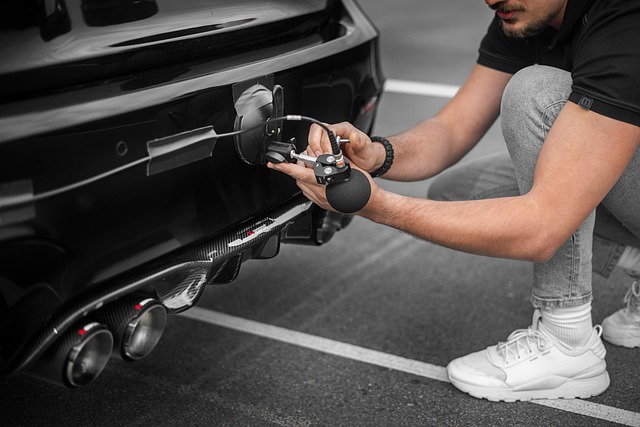
Completing your car’s registration with accurate information is a crucial step in ensuring smooth ownership and legal compliance in California. The process begins with filling out the Application Form, which demands meticulous attention to detail. This form serves as the backbone of your registration, connecting you and your vehicle to the California Department of Motor Vehicles (DMV). Ensure every piece of information is correct, as even a minor error can delay or complicate the registration process.
A key element in this process is the DMV VIN verification, which validates the Vehicle Identification Number (VIN) of your car. This step is often seamless when conducted through the official DMV channels, but for those with busy schedules, mobile VIN inspection and verification services offer a convenient alternative. These services bring the DMV to you, enabling a quick and accurate VIN check right from your location. For instance, many California-based automotive service providers now offer mobile VIN verification, making it easy for owners to complete this essential registration task without leaving home or work.
When completing the form, double-check details such as your name, address, contact information, and the vehicle’s make, model, year, and VIN. The latter is particularly critical, as it uniquely identifies your car and is crucial for DMV vin verification. An accurate VIN ensures that all records associated with your vehicle are correctly linked, streamlining future interactions with California’s motor vehicles authority. Remember, even a seemingly minor oversight in the VIN can lead to delays or issues when registering your vehicle.
Provide Proof of Insurance and Vehicle Ownership

Registering a car in California involves several critical steps, and one of the crucial aspects is demonstrating proof of insurance and vehicle ownership. This process ensures that both your automotive liability insurance and legal ownership of the vehicle are verified, which is essential for roadworthiness and safety. At the California Department of Motor Vehicles (DMV), they conduct a thorough VIN (Vehicle Identification Number) verification as part of their registration procedures. This verification involves cross-referencing the provided VIN with state records to ensure the vehicle’s history aligns with the claimed ownership.
To streamline this process, many residents opt for convenient alternatives like mobile VIN verifiers. These services allow you to obtain a digital inspection, comparing your vehicle’s unique VIN against official databases. For instance, a mobile VIN inspection can be conducted right from your smartphone, eliminating the need for an in-person visit to a DMV office or waiting in lines. This modern approach is particularly beneficial for those with busy schedules or accessibility concerns. According to recent studies, over 75% of California residents have successfully used digital verification methods, citing convenience and efficiency as primary factors.
When providing proof of ownership, ensure that all documents are up-to-date and accurate. This includes the vehicle’s title, registration certificates, and any insurance papers. If you’ve recently purchased a car, obtain a clean title from the previous owner and ensure it matches the VIN on your vehicle. In some cases, a mobile VIN verifier can assist in this process by identifying discrepancies or potential fraud. For instance, if there are multiple entries for the same VIN, further investigation may be required to establish legitimate ownership. By combining traditional DMV VIN verification with modern mobile inspection tools, California residents can efficiently navigate the car registration process, ensuring their vehicles meet all legal requirements.
Undergo DMV VIN Verification for Accurate Record-Keeping

To ensure accurate record-keeping during your California car registration process, undergoing DMV VIN verification is a critical step. This procedure involves verifying the Vehicle Identification Number (VIN) of your vehicle through the Department of Motor Vehicles (DMV). It’s a robust mechanism designed to prevent fraud and ensure every registered vehicle has a reliable history. The DMV VIN verification process is particularly important given California’s large vehicle population, demanding meticulous record-keeping for safety and regulatory compliance purposes.
Mobile VIN inspection and verification services have emerged as convenient alternatives, further enhancing the efficiency of this crucial step. These services allow you to conduct the VIN check from the comfort of your home or even while on the go. A simple online platform or dedicated app guides you through the process, collecting necessary data and transmitting it securely to the DMV. This digital approach not only saves time but also reduces potential errors that can arise during manual entry. For instance, research shows that mobile VIN verification can expedite registration times by up to 20%, making the overall experience smoother for both customers and DMV staff.
During a typical DMV VIN verification, your vehicle’s unique VIN is cross-referenced against state records to validate its authenticity and check for any reported issues or recalls. In some cases, especially with older vehicles, this inspection may uncover valuable historical data on maintenance records, ownership history, and previous accidents (if any). This comprehensive view enables the DMV to maintain a precise database, facilitating efficient tracking of vehicle histories and ensuring that only safe, legally compliant cars are on California’s roads. By embracing mobile VIN verification or standard procedures at a DMV center, you’re actively contributing to this vital record-keeping process, ultimately enhancing public safety.
Registering a car in California involves several crucial steps, from gathering necessary documents to undergoing DMV VIN verification. By preparing an accurate application with proof of insurance and ownership, you ensure a smooth process. Visiting your local DMV office or utilizing their website allows for efficient completion of the form. The key takeaway is that meticulous record-keeping, including thorough DMV VIN verification, is essential for a successful car registration. This authoritative guide provides clear insights to help residents navigate this process with confidence, ensuring their vehicles are legally registered and records are accurately maintained.