

Registering a car in California is a straightforward process, but understanding the requirements is crucial. This guide will walk you through the steps, ensuring a smooth experience. From gathering essential documents for a successful DMV VIN verification to completing the vehicle registration application, we’ve got you covered. Locate your nearest California DMV office, pay the required fees, and soon you’ll have your registration papers in hand.
- Understand California Car Registration Requirements
- Gather Necessary Documents for DMV Vin Verification
- Locate and Visit Your Nearest California DMV Office
- Complete and Submit the Vehicle Registration Application
- Pay the Required Fees and Receive Your Registration Papers
Understand California Car Registration Requirements

Before registering your car in California, it’s crucial to understand the state’s specific requirements. The California Department of Motor Vehicles (DMV) mandates several essential steps for vehicle registration, including a thorough inspection and verification process. One key component is the Vehicle Identification Number (VIN) verification, ensuring the vehicle’s authenticity and history. This step is vital to prevent fraud and ensure compliance with local laws.
A mobile VIN inspection or using a mobile vin verifier can simplify this process by allowing you to verify your car’s VIN digitally. These services offer convenience by enabling you to complete a significant portion of the registration from the comfort of your home or even while on the go, saving time and effort compared to traditional methods.
Gather Necessary Documents for DMV Vin Verification
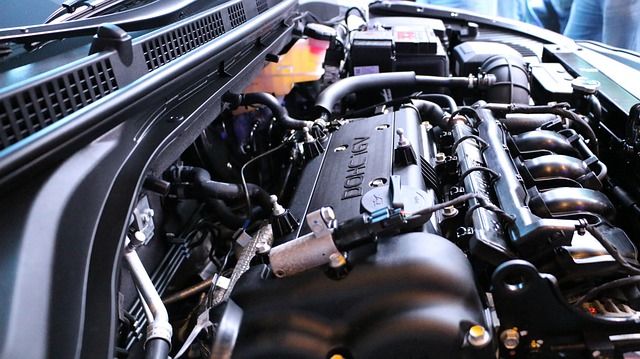
Before heading to the DMV for registration, make sure you gather all the essential documents required for a successful dmv vin verification. This process is crucial to ensure the accuracy of your vehicle’s information and speed up the registration process. You’ll need the basic paperwork like proof of ownership, which can be a title or a bill of sale, along with valid identification such as a driver’s license or passport.
Additionally, for a vin inspection, have your vehicle’s unique identifier (VIN) ready, as it plays a vital role in the verification process. A mobile vin verifier or mobile vin verification app can be handy to quickly and easily access this information from your smartphone. Ensure that all documents are up-to-date and accurate to avoid any delays during your visit to the California DMV.
Locate and Visit Your Nearest California DMV Office

To begin the registration process for your vehicle in California, the first step is to locate and visit your nearest Department of Motor Vehicles (DMV) office. The DMV serves as the primary authority for all vehicle-related transactions, including registration, titling, and license plate issuance. You can find your closest DMV branch by using the official California DMV website, which provides a convenient search tool based on your location.
Once you’ve identified your preferred DMV office, it’s advisable to schedule an appointment, especially if you’re planning a quick transaction. This ensures a smoother process as waiting times can vary. At the DMV, you’ll need to bring essential documents, including proof of ownership (usually a vehicle title), valid identification, and completion of Form DMV-137 (Vehicle Registration Application). Additionally, a DMV vin verification is typically required, which involves inspecting and confirming the vehicle’s unique identifier (VIN) to ensure it matches the provided documentation. You can opt for a traditional in-person visit or explore efficient alternatives like mobile VIN inspection services, making the process more accessible and potentially time-saving.
Complete and Submit the Vehicle Registration Application

To begin registering your car in California, start by gathering all necessary documents. This includes proof of ownership, a valid driver’s license or ID card, and a completed Vehicle Registration Application. You can obtain this form from the California Department of Motor Vehicles (DMV) website or at any DMV field office. Fill out the application accurately, providing detailed information about your vehicle, including its make, model, year, and VIN (Vehicle Identification Number). The VIN is crucial for the dmv vin verification process, ensuring that your car’s registration matches the vehicle’s unique identifier.
Once you’ve completed and double-checked the form, submit it along with the required fees to the DMV. You can do this in person at a local DMV office or by mail if preferred. If choosing a mobile vin inspection option, some third-party services offer convenient ways to verify your vehicle’s details remotely. This involves a professional conducting a vin inspection and transmitting the data digitally for swift processing. Ensure that all information is correct before submission to avoid delays in registering your vehicle in California.
Pay the Required Fees and Receive Your Registration Papers
After completing your car purchase, it’s time to pay the required fees and receive your registration papers. The California Department of Motor Vehicles (DMV) charges a fee for vehicle registration, which varies based on the type of vehicle and its age. This fee typically includes a registration fee, a vehicle identification number (VIN) verification fee, and possibly other optional fees.
To streamline the process, consider using a mobile VIN verification service to ensure your car’s history is accurate before registering. A vin inspection by a professional can help you avoid any surprises later on. Once all fees are paid, the DMV will issue your registration papers, which include important information about your vehicle and its legal status in California.
Registering a car in California is a straightforward process that requires understanding the state’s requirements and gathering essential documents. By completing the DMV VIN verification, visiting your nearest California DMV office, and submitting the necessary applications along with payment, you’ll be well on your way to legalizing your vehicle. Remember, proper registration ensures road safety, easier maintenance, and compliance with local laws.