

Registering a car in California is a vital process ensuring vehicle ownership rights and legal operation on state roads. However, navigating the requirements can be a challenge, especially with evolving regulations and complex procedures. This comprehensive guide aims to demystify the car registration process, empowering California residents with the knowledge to efficiently complete their transactions. We’ll walk you through each step, from gathering essential documents to utilizing reliable resources like a VIN verifier, ensuring a smooth and informed journey towards official vehicle registration.
- Gather Necessary Documents for Car Registration in California
- Prepare Your Vehicle for Inspection: Step-by-Step Guide
- Using the VIN Verifier: Ensuring Accuracy During Registration
- Complete the California Car Registration Application Form
- Submit, Pay, and Receive Your California Vehicle Registration
Gather Necessary Documents for Car Registration in California

Registering a car in California involves several crucial steps, and one of the most critical initial tasks is gathering the right documents. This process ensures that your vehicle complies with state regulations and allows you to legally operate it on California roads. The first step is obtaining essential paperwork, which includes the vehicle’s Certificate of Title (or Proof of Purchase), a valid registration from the previous state (if applicable), and proof of insurance. It’s also imperative to have your Vehicle Identification Number (VIN) verifier ready; this could be a traditional inspection at a designated location or, for added convenience, a mobile VIN verifier app.
A common misconception is that all document requirements are identical across the board. However, specific details may vary based on factors like purchasing a new or used vehicle, leasing arrangements, or out-of-state ownership changes. For instance, if you’re buying from a dealership, they often handle the registration process, but it’s still your responsibility to ensure all documents are in order. Conversely, when transferring ownership, you’ll need updated titles and registrations from the previous owner, along with any relevant bill of sale documents.
To streamline the process, consider using digital tools like mobile VIN inspection apps that can verify a vehicle’s history quickly and efficiently. These applications provide real-time data on the car’s past, including accident reports and outstanding loans. By combining traditional documentation with these modern verification methods, you can ensure a smooth car registration experience in California.
Prepare Your Vehicle for Inspection: Step-by-Step Guide
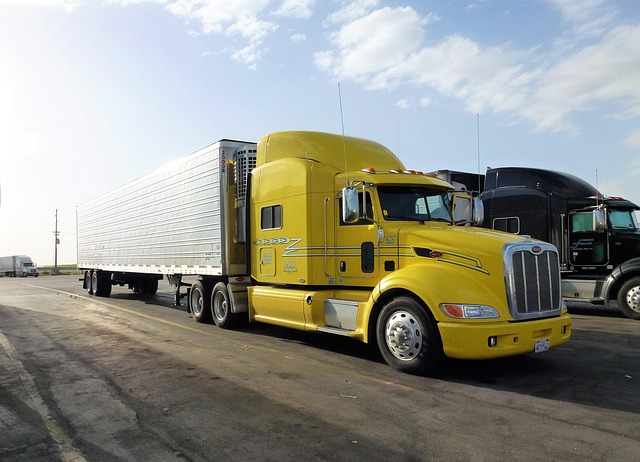
Before you can register your car in California, ensure it’s prepared for inspection by following these meticulous steps. Start by gathering all required documents, including your vehicle registration, proof of insurance, and a valid driver’s license. Next, perform a thorough inspection yourself to verify that your car meets safety and emissions standards. This includes checking the lights, brakes, wipers, and exhaust system for any defects or wear. For added convenience and accuracy, consider utilizing a mobile VIN verifier to cross-reference your vehicle identification number (VIN) with official databases, ensuring its authenticity and history.
Take special care during this process as California’s inspection regulations are stringent. Ensure all components are in good working order and comply with environmental standards. If necessary, address any issues found during self-inspection or seek professional assistance. Remember, a mobile VIN verification service can help you identify potential problems early on by providing detailed information about the vehicle’s past, including accident history, odometer readings, and previous ownership changes.
For instance, according to the California Department of Motor Vehicles (DMV), over 50% of vehicles that fail inspection do so due to issues with lights, brakes, or emissions systems. By proactively preparing your car for inspection, you can avoid delays in registration and potential fines. Moreover, staying current on maintenance and using a reliable mobile VIN verifier can help protect you from fraudulent activities and ensure a smooth registration process.
Using the VIN Verifier: Ensuring Accuracy During Registration

Registering a car in California involves several steps, one of which is ensuring the Vehicle Identification Number (VIN) is accurate. The VIN is a unique code that identifies your vehicle, and it’s crucial for correct registration. Utilizing a VIN verifier is an essential part of this process, offering both convenience and accuracy. This tool allows you to cross-reference the VIN with official databases, confirming its legitimacy and history.
A VIN inspection, facilitated by mobile vin verification services, provides real-time data on the vehicle’s past owners, maintenance records, and any reported accidents or issues. This is particularly valuable in California, where a high volume of vehicles makes manual verification time-consuming. Mobile vin inspection apps offer a simple solution, enabling you to check the VIN accuracy from the convenience of your smartphone. Many services provide instant access to detailed vehicle history reports, ensuring compliance with state regulations.
For instance, a study by the California Department of Motor Vehicles (DMV) revealed that around 10% of vehicles presented for registration had discrepancies in their VINs or reported histories. These errors can lead to registration delays and potential legal issues. By employing a vin verifier, both individuals and DMV staff can minimize these risks, ensuring smooth and accurate car registration processes. Regularly updating and cross-referencing VIN data is a best practice, especially with the rise of pre-owned vehicle sales and complex supply chains.
Complete the California Car Registration Application Form
Registering a car in California involves several steps, one of which is completing the California Car Registration Application Form accurately and thoroughly. This process requires meticulous attention to detail as it directly impacts your vehicle’s legal status on California roads. Begin by gathering all necessary documents, including proof of ownership, vehicle identification number (VIN) verifier records, and valid identification. The VIN, a unique code that identifies your car, is crucial; consider utilizing a mobile VIN inspection or verification service for convenience and accuracy. These services can provide immediate access to detailed vehicle history reports, ensuring every aspect aligns with California’s requirements.
The application form itself is comprehensive, demanding specific information like the vehicle make, model, year, and type of ownership. Ensure that all entered details match the documentation exactly; any discrepancies may lead to delays or rejection. For instance, if you’re transferring a title, provide the seller’s and buyer’s information precisely as it appears on legal documents. Additionally, familiarize yourself with California’s residency requirements; establishing your primary address accurately is essential for successful registration.
After completing the form, double-check all entries for errors or omissions. A simple mistake can result in processing delays or even rejection. If you’re relying on a mobile VIN inspection, ensure the report is up to date and readily accessible during submission. Some services offer immediate digital verification, which can streamline the process significantly. Remember, an accurate and complete application form is your first step toward seamless car registration in California.
Submit, Pay, and Receive Your California Vehicle Registration

Once you’ve gathered all necessary documents and confirmed your vehicle’s eligibility for registration, it’s time to submit your application. This can be done online through the California DMV website or in person at a local DMV field office. During submission, ensure you accurately enter your Vehicle Identification Number (VIN) using a reliable VIN verifier like the mobile VIN inspection tools available today. These tools provide instant, accurate data, ensuring your vehicle’s history is accurately represented.
After submitting your application, you’ll be required to make several payments. These typically include a registration fee and possibly a title fee if transferring ownership. Payment methods vary, but most are now accepted online or via mobile apps, enhancing convenience and security. Upon successful processing, the California DMV will generate your vehicle’s registration certificate. This document formally establishes your ownership and grants you legal permission to operate your vehicle on California roads.
Receiving your registration involves either printing it from an email or receiving a physical copy in the mail, depending on your preference during application. Keep this document handy as it serves as proof of insurance when stopped by law enforcement. Additionally, consider storing digital copies for easy access and backup purposes. Regularly updating your vehicle’s information, including address changes, is crucial to maintain accurate records, ensuring compliance with California’s regulations.
By systematically navigating each step outlined in this article—from gathering essential documents to completing the California car registration application form—you’ve armed yourself with the knowledge needed to register your vehicle seamlessly. The key insights include the importance of accurate documentation, a thorough understanding of your vehicle’s inspection requirements, and leveraging tools like the VIN verifier for maximum accuracy. Practical next steps involve organizing all necessary paperwork, preparing your vehicle for inspection, and filling out the form diligently. Remember, proper registration not only ensures your vehicle’s legality but also facilitates smoother driving experiences within California’s regulatory framework.