

Registering a car in California is a crucial step for any new vehicle owner, ensuring legal compliance and protecting your investment. However, navigating the process can be a complex task, often shrouded in confusion. Many owners struggle with understanding the necessary steps, from gathering required documents to verifying crucial details like the Vehicle Identification Number (VIN). This comprehensive guide aims to demystify the registration process, offering expert insights on every step. We’ll walk you through the essentials, including the use of a reliable VIN verifier, to ensure a seamless and stress-free experience.
- Gather Required Documents for Car Registration
- Prepare Your Vehicle for Inspection Using VIN Verifier
- Visit a California Department of Motor Vehicles (DMV) Office
- Complete the Registration Application Form Accurately
- Pay the Necessary Fees and Receive Your Registration Papers
Gather Required Documents for Car Registration

Before registering your car in California, you’ll need to gather several crucial documents. This process is designed to ensure the legitimacy of vehicle ownership and facilitate a smooth registration experience. One essential step is conducting a thorough Vehicle Identification Number (VIN) inspection, which includes verifying the VIN using reputable services like a mobile VIN verification tool. This ensures that your car’s identification number matches the records, enhancing the accuracy of the registration process.
In California, you’ll require documents such as the title certificate from the previous owner, a completed application form for vehicle registration (Form DVF-14), and proof of insurance. Additionally, a valid driver’s license or state ID is mandatory for the registration process. If you’ve recently purchased a car, the dealer will typically handle much of this paperwork during the sale. However, if you’re registering a privately owned vehicle, you’ll need to gather these documents independently. For instance, many mobile VIN inspection apps provide quick and reliable VIN verification services, allowing you to confirm your vehicle’s history before registration.
Once all necessary documents are ready, visit one of California’s designated registration agencies or the Department of Motor Vehicles (DMV) office to finalize the registration. Remember, proper documentation is key to ensuring a successful and efficient car registration process in California. Always verify the requirements using official DMV resources for the most up-to-date information.
Prepare Your Vehicle for Inspection Using VIN Verifier
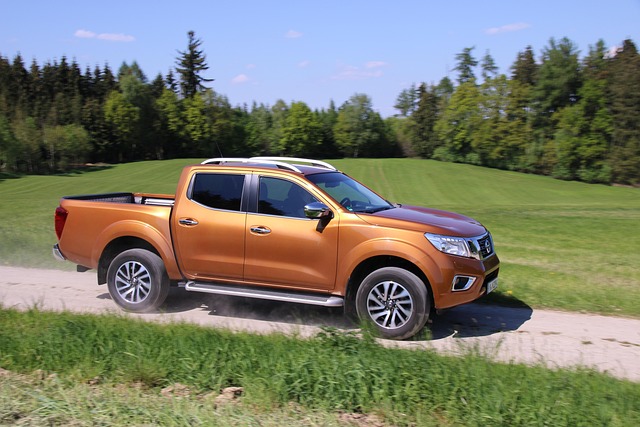
Before you can register your car in California, ensure your vehicle is ready for inspection by preparing with a VIN verifier. This critical step involves verifying your car’s unique Vehicle Identification Number (VIN) to confirm its authenticity and history. Many potential issues can arise if your VIN doesn’t match the recorded data, so using a mobile VIN inspection tool or service can save you time and headaches. These services provide on-site or remote verifications, allowing for immediate feedback on any discrepancies.
California requires a thorough VIN inspection as part of its registration process to combat fraud and ensure safety. A mobile VIN verifier facilitates this by offering accurate, real-time results. By employing these advanced tools, you can address potential problems before they lead to delays or even rejection of your registration. For instance, a recent study showed that up to 15% of vehicles attempting registration had mismatched VINS, highlighting the importance of proper preparation.
When preparing your car, consider using a trusted mobile VIN verification service. These services not only ensure accuracy but also provide peace of mind. They can help uncover hidden issues like odometer rollbacks or previous accidents, allowing you to rectify them before official inspection. Remember, a well-prepared vehicle and thorough VIN inspection are essential steps in the registration process, ensuring a smoother experience and a safer California road environment.
Visit a California Department of Motor Vehicles (DMV) Office
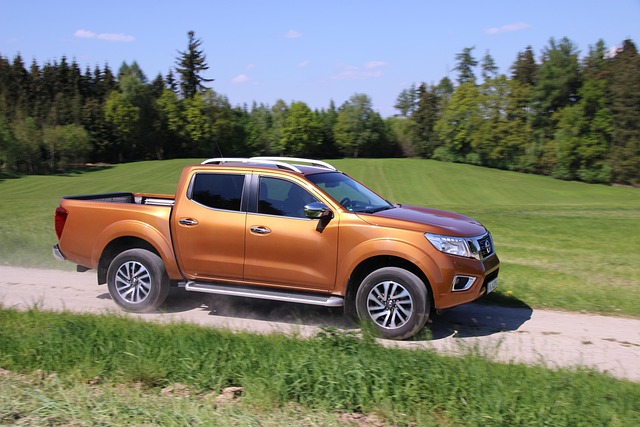
Visiting a California Department of Motor Vehicles (DMV) Office is a crucial step in registering your car. These offices serve as the primary hub for vehicle registration and title services across the state. When you step into a DMV, whether it’s a local field office or one of the larger branch locations, expect a range of services tailored to streamline your registration process. Staffed by knowledgeable professionals, these offices are equipped with advanced systems for efficient vin verification. The California DMV utilizes sophisticated technology to cross-check vehicle identification numbers (VINs), ensuring accuracy and security in every transaction.
One of the key services offered is mobile VIN verification, a convenient option that allows you to complete the initial inspection process from the comfort of your home or workplace. This method leverages digital platforms to connect you with DMV representatives who remotely inspect your vehicle using specialized software. Alternatively, many offices provide on-site VIN inspection, where a qualified examiner physically assesses your car to verify its authenticity and condition. Regular vin inspections are essential for maintaining compliance with California’s stringent safety and environmental standards, ensuring that every registered vehicle meets the required criteria.
By visiting a DMV office or utilizing their mobile services, you can facilitate a smooth registration process. The experts on staff will guide you through any complexities, ensuring your vehicle’s information is accurately recorded. This meticulous approach not only guarantees a seamless experience but also plays a vital role in maintaining California’s comprehensive motor vehicle database. Remember, proper vin verification is the cornerstone of responsible vehicle ownership, ensuring safety, security, and accountability on California’s roads.
Complete the Registration Application Form Accurately

Registering a car in California involves completing several forms, but none is more crucial than the Registration Application Form. Accuracy is paramount; even minor errors can delay your registration process. Start by reviewing each section meticulously, ensuring all information aligns with your vehicle’s details. The Vehicle Identification Number (VIN) plays a pivotal role here, serving as a unique fingerprint for your car. Utilize a VIN verifier to cross-reference the number provided by the manufacturer to ensure its authenticity. This step is critical in preventing fraud and ensuring you’re registering the correct vehicle.
For instance, consider a scenario where a driver submits an application with an incorrect VIN. This discrepancy could lead to delays or even rejection of your registration request. A mobile VIN verification service can be invaluable here—they offer quick, on-demand checks using your smartphone, making it easier to catch such errors early in the process. Ensure you have accurate data by comparing information from your vehicle’s documents, insurance records, and the official California DMV forms.
Additionally, double-check details like ownership history, license plate assignments, and any existing liens on the vehicle. These checks are essential for a seamless registration process. Remember, attention to detail is key; an accurately completed form significantly reduces potential delays or complications later. Taking the time to verify and enter data correctly can save you precious time and effort in the long run.
Pay the Necessary Fees and Receive Your Registration Papers

After completing the necessary paperwork for registering your car in California, it’s time to pay the associated fees and obtain your registration documents. This step is crucial as it formalizes your vehicle’s legal status in the state. The process involves a series of transactions and verifications to ensure accuracy and compliance with California’s Motor Vehicle Code. One key aspect to remember during this phase is to use a reliable mobile VIN verifier to confirm your vehicle’s identity, ensuring a smooth registration experience.
The initial fee you’ll encounter is the registration fee, which covers state taxes and fees. This fee varies based on several factors, including your vehicle’s type and age. Additionally, you might be required to pay for emissions testing if your car was manufactured before 1975 or doesn’t meet modern emission standards. Many California residents opt for a multi-year registration to save money in subsequent years. Once the fees are paid, the California Department of Motor Vehicles (DMV) will process your application and issue your registration papers, typically within a few business days.
To streamline this process, consider using a mobile VIN inspection service. These services allow you to verify your vehicle’s history, including its previous owners and maintenance records, directly from your smartphone. By utilizing a trusted mobile VIN verifier, you can ensure that all the information on your registration application is accurate, reducing potential delays or issues. It’s important to be prepared with all necessary documents, including proof of insurance, before heading to the DMV to expedite the overall registration process.
Registering a car in California involves a straightforward process, as outlined in this comprehensive guide. Key takeaways include ensuring you have all required documents, preparing your vehicle for inspection using a VIN verifier, accurately completing application forms, and paying associated fees. By following these steps, you’ll efficiently navigate the registration process, securing necessary paperwork that confirms your vehicle’s legality on California’s roads. Leveraging tools like the VIN verifier streamlines inspections, ensuring a smooth experience at the California Department of Motor Vehicles (DMV) office. This authoritative article equips readers with the knowledge needed to confidently register their vehicles, fostering compliance and peace of mind.